Understanding the psychology behind gambling behavior in casinos
The Allure of Casinos
Casinos have long captivated the human imagination, offering an escape from everyday life and a chance to experience the thrill of risk. This allure stems from a combination of sensory stimulation and social interaction, which are designed to keep players engaged. The bright lights, ringing slot machines, and lively atmosphere create an environment that can be both exciting and overwhelming, making it easy for individuals to lose track of time and money. When considering cashing out, many players look for detailed advice as they explore various options outlined in the https://gambliicasino.uk/withdrawal/ guide.
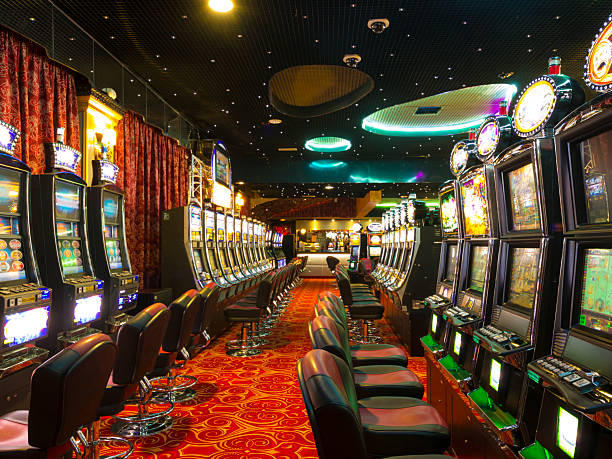
Furthermore, casinos leverage psychological principles such as operant conditioning to enhance the gambling experience. By providing intermittent rewards—like small wins or free spins—casinos encourage players to keep betting in hopes of a bigger payoff. This unpredictability creates a compelling feedback loop, drawing players deeper into the experience, and often clouding their judgment about the risks involved.
The physical layout of casinos also plays a significant role in shaping gambling behavior. Many casinos are designed without windows or clocks, effectively removing time from the equation. This strategic design choice can lead players to lose track of how long they’ve been gambling, contributing to longer play sessions and, consequently, increased spending. The combination of these elements creates an intoxicating atmosphere that can significantly influence a person’s decision-making processes.
The Role of Emotion in Gambling
Emotion plays a crucial role in gambling behavior, often driving individuals to wager in ways that defy logic. Many players engage in gambling as a means of coping with stress or emotional pain, seeking the highs that come from potential wins as a way to escape their reality. This emotional connection can create a strong desire to gamble, leading individuals to prioritize betting over other responsibilities or pleasures.
Moreover, the psychological phenomenon known as “loss aversion” significantly influences gambling behavior. Players tend to experience losses more intensely than equivalent gains, leading them to chase losses in an attempt to recoup their investments. This reaction can result in a vicious cycle where individuals continue to gamble despite negative outcomes, driven by the hope of hitting a big win that can change their fortunes.
In addition to emotional factors, social influences can also shape gambling habits. Peer pressure or the desire to fit in can encourage individuals to gamble even when they may not be inclined to do so. Many people associate gambling with social status or acceptance, which can lead them to engage in riskier behaviors than they might otherwise. This blend of emotional need and social influence makes understanding gambling behavior complex.
The Impact of Cognitive Biases
Cognitive biases play a significant role in shaping how individuals approach gambling. For instance, the illusion of control is a common bias where players believe they can influence the outcome of games, such as dice or card games. This sense of control can lead to overconfidence in one’s betting strategies and increase the likelihood of continued gambling, despite the inherent randomness of these games.
Additionally, the gambler’s fallacy is another cognitive bias that impacts decision-making. This bias involves the belief that past outcomes can affect future results, leading players to make illogical bets. For example, if a player has witnessed several losses in a row, they may erroneously believe a win is “due.” This misunderstanding of probability often fuels more gambling, as players chase after what they perceive as a natural return to winning.
These cognitive biases are often exploited by casinos through marketing strategies that emphasize winning streaks and favorable outcomes. By framing the gambling experience in a way that encourages these biases, casinos can enhance player engagement while simultaneously increasing revenue. Understanding these psychological underpinnings can provide valuable insights into why individuals gamble and how their behavior can be manipulated.
The Social Environment of Gambling
The social environment in which gambling takes place can significantly influence behavior. Casinos are often vibrant social spaces filled with laughter, cheers, and a sense of camaraderie. This atmosphere can create a powerful sense of belonging for players, who may feel more compelled to engage in gambling as part of a collective experience. The social dimension can also lead to increased risk-taking, as individuals may be more likely to bet higher amounts when surrounded by friends or fellow gamblers.
Moreover, the presence of others can enhance the emotional highs and lows associated with gambling. Winning in a social context can amplify feelings of excitement and achievement, while losing can lead to shared disappointment. These emotional exchanges can reinforce the desire to continue gambling, as players seek to recreate the highs and mitigate the lows in a supportive environment.
Additionally, peer influence can extend to the type of games played. Many gamblers tend to adopt the preferences of their peers, often opting for more popular games or betting strategies that have been validated by others in their social circle. This shared experience can foster a sense of competition and community, further driving individuals to gamble more frequently and at higher stakes.

The Role of Online Casinos
The rise of online casinos has transformed the landscape of gambling behavior, providing a new platform for individuals to engage in gaming. Unlike traditional casinos, online platforms offer convenience and anonymity, enabling players to gamble from the comfort of their homes. This ease of access can lead to increased gambling frequency, as individuals can log in anytime without the distractions of a physical venue.
Additionally, online casinos utilize data analytics to tailor their offerings, targeting players with personalized promotions and bonuses that align with their behaviors and preferences. This strategy not only enhances user engagement but also encourages players to gamble more by providing incentives that feel customized and appealing. As a result, online gambling can intensify existing patterns of behavior, making it crucial for players to exercise self-awareness and discipline.
The virtual nature of online casinos also means that players are less likely to experience the immediate social consequences of their gambling behavior. This lack of accountability can lead to riskier betting practices, as individuals may feel less pressure to moderate their gambling when it’s not publicly observable. In this evolving landscape, understanding the psychology behind online gambling becomes essential for promoting responsible gaming practices and safeguarding players from potential harm.
Leave a Reply